
26Apr
What To Do When my Condo Floods? Who To Call?
What To Do When my Condo Floods? Who To Call?
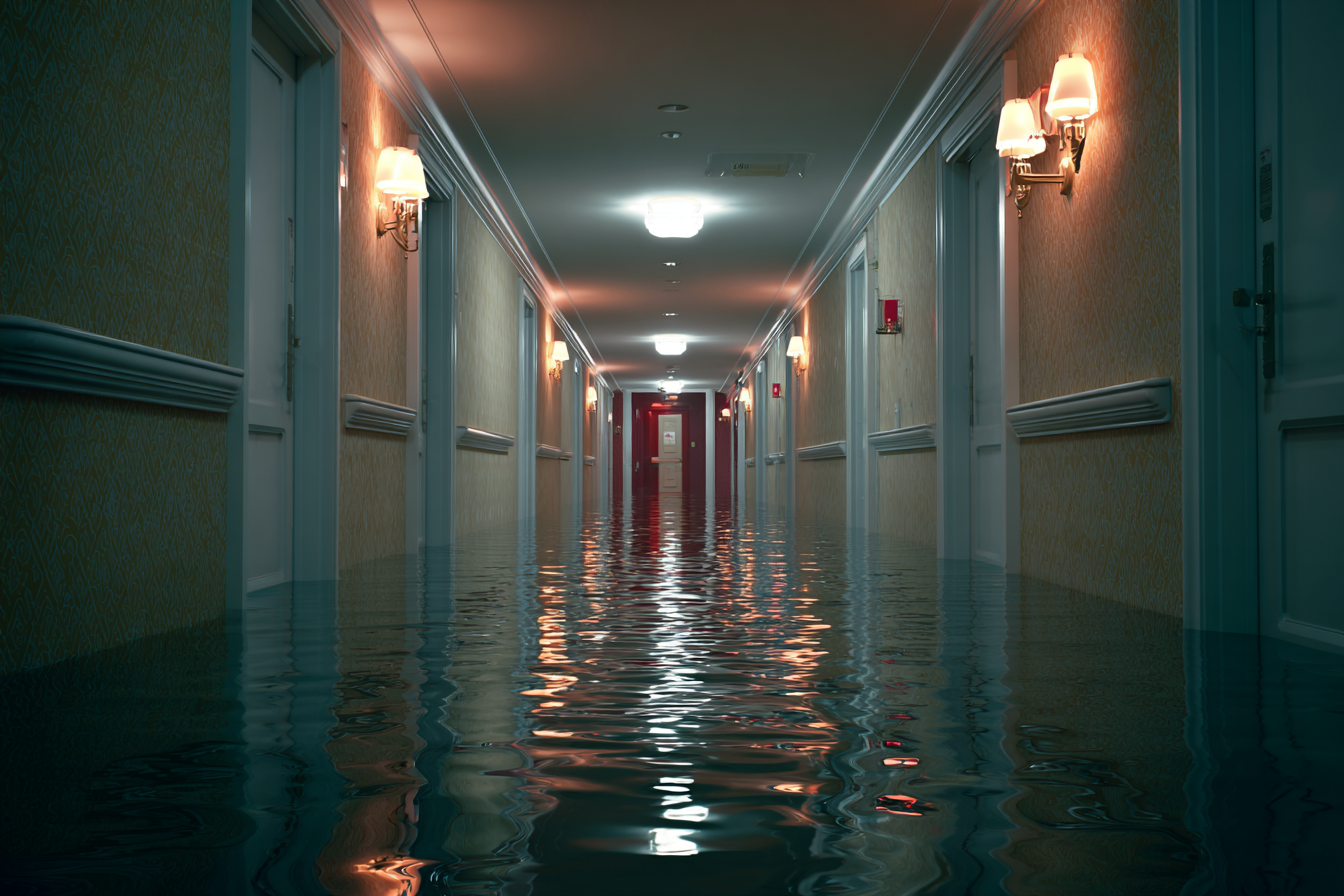
Condo flooding hits differently. One minute everything is fine the next, water is creeping across your floor, dripping from ceilings, or worse, coming from a unit above like an uninvited waterfall.
Unlike houses, condo flooding isn’t just your problem. Water travels fast through walls, ceilings, and floors, meaning your neighbours—and your liability—can be involved within minutes.
That’s why speed, clarity, and the right steps matter. Whether it’s a burst pipe, overflowing appliance, or a leak from upstairs, knowing exactly what to do can save you thousands in damage and a mountain of stress.
Let’s get right into it!
Why Condo Flooding Is More Complicated Than Houses
Condos operate like ecosystems. Everything is connected—plumbing, ventilation, and structure. That means when something goes wrong, it rarely stays contained.
Water doesn’t respect unit boundaries. It flows downward, spreads sideways, and finds every gap it can. A small leak in one unit can damage multiple units below within hours.
Then there’s the added layer of condo boards and property management. You’re not the only decision-maker, and response time often depends on how quickly everyone coordinates.
Insurance is also more complex. There’s your personal policy, the condo corporation’s policy, and sometimes disputes over who’s responsible for what. It’s less “fix the leak” and more “solve a mini legal puzzle while your floor is wet.”
Immediate Steps To Take When Your Condo Floods
Ensure Safety First
Before you do anything, make sure the area is safe. If water is near electrical outlets or appliances, avoid entering until power is shut off. Wear gloves and avoid direct contact with potentially contaminated water.
Stop The Water Source
If the issue is inside your unit, shut off your water valve immediately. If it’s coming from another unit, notify management right away—they may need to access another suite or shut off building water lines.
Notify Building Management Immediately
This step is critical. Building management can:
- Shut off main water lines
- Access locked utility areas
- Contact other affected units
- Coordinate emergency response
- Time lost here equals damage multiplied.
Call Emergency Water Damage Professionals
Professional restoration teams bring industrial-grade equipment and can begin water extraction immediately. This drastically reduces the risk of mould and long-term damage.
Protect Your Belongings
Move electronics, furniture, and valuables away from the affected area. Elevate items where possible to avoid further damage.
Document Everything For Insurance
Take clear photos and videos of:
- The source of the water
- Damaged items
- Affected areas
This documentation is crucial for insurance claims and liability discussions.
Top 10 Most Common Water Damage Emergencies In Condos
Overflowing Toilets
A simple clog can escalate quickly, especially in high-rise systems where pressure builds.
Burst Pipes
Older buildings or temperature fluctuations can cause pipes to rupture suddenly.
Leaking Appliances
Dishwashers, washing machines, and refrigerators are frequent culprits of hidden leaks.
HVAC Or AC Unit Leaks
Clogged condensation lines can overflow and cause water damage.
Neighbour Unit Flooding
Water entering from above is one of the most common—and frustrating—condo issues.
Sprinkler System Discharge
Accidental activation or system faults can release large volumes of water instantly.
Hot Water Tank Failure
A failing tank can flood your unit rapidly.
Shower Or Tub Overflow
Simple accidents can quickly turn into major problems in a multi-unit building.
Sink Overflow
Blocked drains can cause water to spill over and spread quickly.
Roof Or Window Leaks
Top-floor units are especially vulnerable during heavy storms.
Who Is Responsible For Condo Water Damage?
Responsibility in condo flooding depends on the source and your building’s bylaws.
Unit owner: typically responsible for damage originating within their unit
Condo corporation: responsible for common elements and structural components
Shared liability: sometimes both parties are involved
Understanding your condo bylaws and insurance coverage is essential before an emergency happens.
How Water Damage Spreads In Condos
Water follows gravity, but also opportunity.
It seeps through flooring, travels behind walls, and can even spread through electrical systems. A single leak can impact multiple units within hours.
This is why immediate action is critical, not just for your unit, but for the entire building.
Why Fast Action Is Critical
Time is your biggest enemy during a flood.
- Mould can begin forming within 24–48 hours
- Water weakens structural materials quickly
- Damage spreads exponentially the longer it sits
- Delays increase repair costs and liability risks
Acting fast isn’t just smart—it’s necessary.
Professional Condo Flood Cleanup Process
Inspection & Damage Assessment: Technicians assess the source, extent, and category of water damage.
Water Extraction
High-powered equipment removes standing water quickly.
Drying & Dehumidification
Industrial air movers and dehumidifiers eliminate hidden moisture.
Sanitization & Mould Prevention
Antimicrobial treatments reduce the risk of mould growth.
Repairs & Restoration
Damaged materials are repaired or replaced to restore your unit.
What Not To Do When Your Condo Floods
- Don’t ignore small leaks
- Don’t delay contacting professionals
- Don’t assume it’s not your responsibility
- Don’t use electrical devices near water
- Don’t wait for the problem to “dry on its own”
Water damage gets worse, not better.
How To Prevent Condo Flooding
Inspect Plumbing Regularly: Catch leaks before they become disasters.
Replace Old Hoses And Connections: Especially for washing machines and dishwashers.
Install Leak Detectors: Smart devices can alert you instantly to water issues.
Maintain HVAC Systems: Ensure condensation lines are clear and functioning.
Know Your Shut-Off Valves: Quick action starts with knowing where to turn.
Review Your Insurance Coverage: Make sure you’re protected for water-related incidents.
FAQs About Emergency Water Damage In Condos
What should I do immediately if my condo floods?
Shut off water, notify management, call professionals, and document damage.
Am I responsible for damage to other units?
It depends on the source and your insurance policy.
Will insurance cover condo flooding?
Most policies cover sudden damage, but coverage varies.
How fast does mould grow?
Within 24–48 hours in damp conditions.
Can water spread quickly between units?
Yes, especially downward through floors and walls.
Should I call management or restoration first?
Call both immediately.
How long does cleanup take?
Typically 3–7 days for drying.
Can I stay in my condo during cleanup?
Depends on severity and safety conditions.
What items can be saved?
Non-porous items and some furniture if treated quickly.
How do I prevent future flooding?
Maintain systems, install detectors, and inspect regularly.
Conclusion
Condo flooding isn’t just a home issue—it’s a building-wide event waiting to happen. The key is acting fast, communicating clearly, and bringing in the right professionals immediately.
With the right approach, what could be a disaster becomes a controlled situation.
Because in condos, water doesn’t just visit—it travels.
If you have any questions about our article What To Do When my Condo Floods? Who To Call? or need condo flood restoration services near Niagara Falls contact us at 289-271-0090 or connect with us on social media.
Latest Posts




Contact Us
For Advice
Need help? Talk to an expert
289-271-0090