

26Apr
How To Remove Black Mould And Who Do I Call?
Black mould is the kind of problem that starts quietly and spreads quickly.
It stains surfaces, creates persistent musty odours, and can impact both your health and the structural integrity of your home if left untreated.
In most cases, black mould develops after water damage, hidden leaks, or prolonged humidity. Once it begins growing, it doesn’t stay contained—it spreads.
The good news is that with the right approach, you can stop it early. This guide explains how to safely remove black mould and when to call professionals.
Let’s get right into it.
What Is Black Mould?
Black mould is a fungus that thrives in damp, humid environments. The most commonly referenced type is Stachybotrys chartarum, often referred to as “toxic black mould.”
It typically grows on:
- Drywall
- Wood
- Carpet
- Insulation
- Other organic materials exposed to moisture
There are two key types:
Surface mould – sits on materials and may be cleaned
Embedded mould – penetrates deeply and often requires removal
What Causes Black Mould In Homes?
Mould doesn’t appear randomly—it needs moisture to grow.
Common causes include:
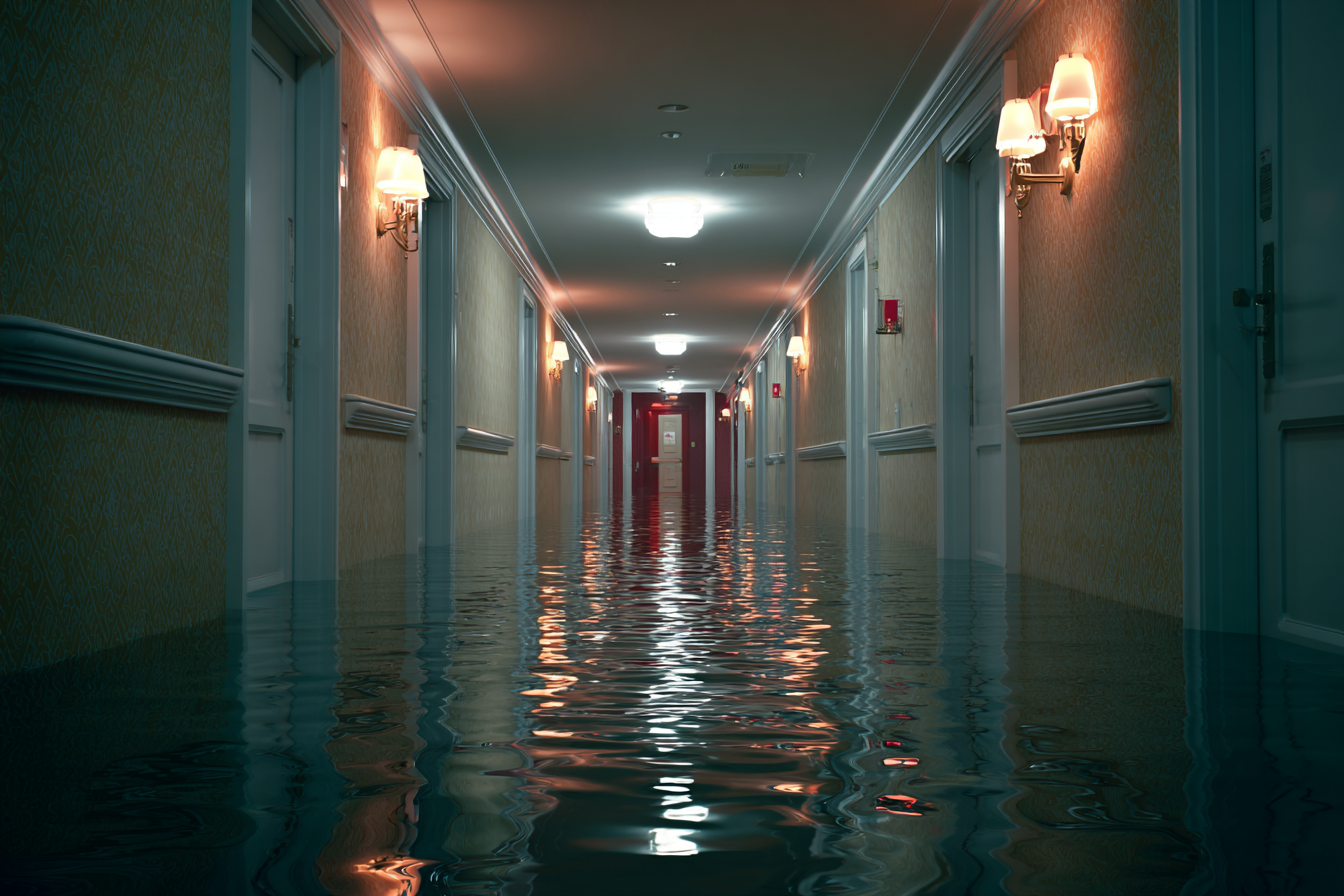
- Water damage from floods or leaks
- High humidity (especially in basements and bathrooms)
- Poor ventilation
- Roof or plumbing leaks
- Condensation on windows or pipes
If moisture isn’t controlled, mould will continue returning.
Top Signs You Have Black Mould
Mould often grows out of sight but leaves clear indicators:
- Persistent musty odour
- Dark spots on walls, ceilings, or corners
- Peeling paint or bubbling drywall
- Warped surfaces
- Increased allergy symptoms (coughing, sneezing, headaches)
If your home smells damp or stale, mould may already be present.
Why Black Mould Is Dangerous
Black mould is more than a cosmetic issue. It can:
- Trigger respiratory problems
- Cause allergic reactions
- Worsen asthma symptoms
- Affect vulnerable individuals more severely (children, elderly, pets)
Beyond health risks, mould can weaken structural materials over time.
How To Remove Black Mould (Step-By-Step)
Step 1: Find And Fix The Moisture Source
Removing mould without fixing the moisture problem will only lead to recurrence.
Step 2: Protect Yourself
Wear proper protective equipment:
- Gloves
- N95 mask
- Goggles
Step 3: Contain The Area
Seal off affected areas to prevent spores from spreading.
Step 4: Clean Small Areas Safely
For areas under approximately 10 square feet:
- Use white vinegar or an approved mould cleaner
- Scrub gently
- Avoid mixing chemicals like bleach and ammonia
Step 5: Remove Contaminated Materials
If mould has penetrated porous materials such as drywall or carpet, removal is necessary.
Step 6: Dry The Area Completely
Use fans and dehumidifiers. Any remaining moisture can cause regrowth.
Step 7: Monitor For Regrowth
Check the area regularly. If mould returns, the moisture issue may not be fully resolved.
When DIY Mould Removal Is Not Enough
Professional help is recommended if:
- The affected area exceeds ~10 square feet
- Mould is inside walls or HVAC systems
- You can smell mould but cannot see it
- Health symptoms are present
- Mould keeps returning
At this stage, the problem requires proper containment and remediation.
Who To Call For Black Mould Removal
For larger or more complex issues, contact:
- Certified mould remediation specialists
- Water damage restoration companies
- Indoor air quality experts
What Professionals Do
Professional mould remediation involves:
- Detailed inspection and moisture detection
- Containment using negative air pressure
- Safe removal of contaminated materials
- HEPA air filtration
- Sanitization and full restoration
This process ensures mould is removed safely and thoroughly.
Cost Of Black Mould Removal
Costs vary depending on severity:
- Small jobs: a few hundred dollars
- Moderate infestations: $1,000–$5,000+
- Large or structural issues: significantly higher
Delaying treatment typically increases costs.
How To Prevent Black Mould
Prevention focuses on moisture control:
- Keep humidity below 50%
- Use dehumidifiers in damp areas
- Fix leaks immediately
- Improve ventilation in kitchens and bathrooms
- Inspect plumbing and roofing regularly
A dry home is the best defence against mould.
Black Mould vs Mildew: What’s The Difference?
Mildew: surface-level, lighter colour, easier to clean
Mould: deeper, darker, more harmful, harder to remove
Identifying the difference helps determine the right approach.
What Happens If You Ignore Black Mould?
Ignoring mould allows it to spread and worsen over time:
- Structural materials weaken
- Mould spreads to new areas
- Health issues increase
- Repair costs rise significantly
Mould does not resolve on its own.
FAQs
What should I do immediately after water damage?
Stop the water source and begin drying as soon as possible.
How quickly can mould grow?
Within 24–48 hours.
Is black mould always toxic?
Not always, but all mould should be treated seriously.
Can I remove mould myself?
Only small areas—larger infestations require professionals.
Will insurance cover mould removal?
It depends on the cause and your policy.
How do professionals remove mould?
Through containment, removal, and air filtration.
Can mould return after removal?
Yes, if moisture issues are not fixed.
What are signs of hidden mould?
Musty odours and unexplained health symptoms.
How long does mould removal take?
Typically a few days depending on severity.
Do materials need to be replaced?
Often yes, especially porous materials.
Conclusion
Black mould spreads quickly and becomes more costly the longer it’s ignored. Early detection, fast action, and proper remediation are key.
Small problems can be handled safely, but larger issues require professional expertise and equipment.
If you see it—or smell it—it’s time to act.
For mould removal services in Niagara Falls and St. Catharines, contact 911 Restoration Niagara at (289) 271-0090 or connect with us on social media.
Latest Posts



Contact Us
For Advice
Need help? Talk to an expert
289-271-0090