

26Apr
10 Most Common Water Damage Emergencies In Basements
10 Most Common Water Damage Emergencies In Basements
Sump Pump Failure
Your sump pump is your basement’s last line of defence. When it fails whether due to power outages or mechanical issues water builds up fast and floods your space.
Sewer Backup
During heavy rain, municipal sewer systems can become overwhelmed. When that happens, contaminated water can flow back into your basement—posing serious health risks.
Burst Pipes
Cold Canadian winters can cause pipes to freeze, expand, and burst. This leads to sudden and severe water damage.
Foundation Cracks
Even hairline cracks can allow water to seep in. Over time, these cracks worsen and let in more moisture.
Heavy Rain Flooding
Poor drainage around your home can cause rainwater to pool and eventually enter your basement.
Appliance Leaks
Washing machines, dishwashers, and water heaters are common sources of hidden leaks that can cause long-term damage.
Basement Window Leaks
Improperly sealed windows or clogged window wells allow water to enter directly during storms.
Clogged Drain Systems
Blocked drains prevent water from flowing away, leading to backups and flooding.
Hot Water Tank Failure
When a tank fails, it can release dozens of gallons of water quickly, flooding your basement.
Improper Downspout Drainage
If downspouts discharge too close to your home, water collects around the foundation and seeps inside.
The Hidden Dangers Of Basement Water Damage
Water damage isn’t just cosmetic, it’s structural and biological.
Moisture creates the perfect environment for mould, which can begin growing within 24–48 hours. This poses serious health risks, especially for those with allergies or respiratory issues.
Water also weakens materials. Wood rots, drywall crumbles, and metal corrodes. Over time, your home’s structural integrity can be compromised.
Electrical systems exposed to water can become hazardous, increasing the risk of fire or shock.
And perhaps most overlooked—water damage can significantly reduce your home’s value.
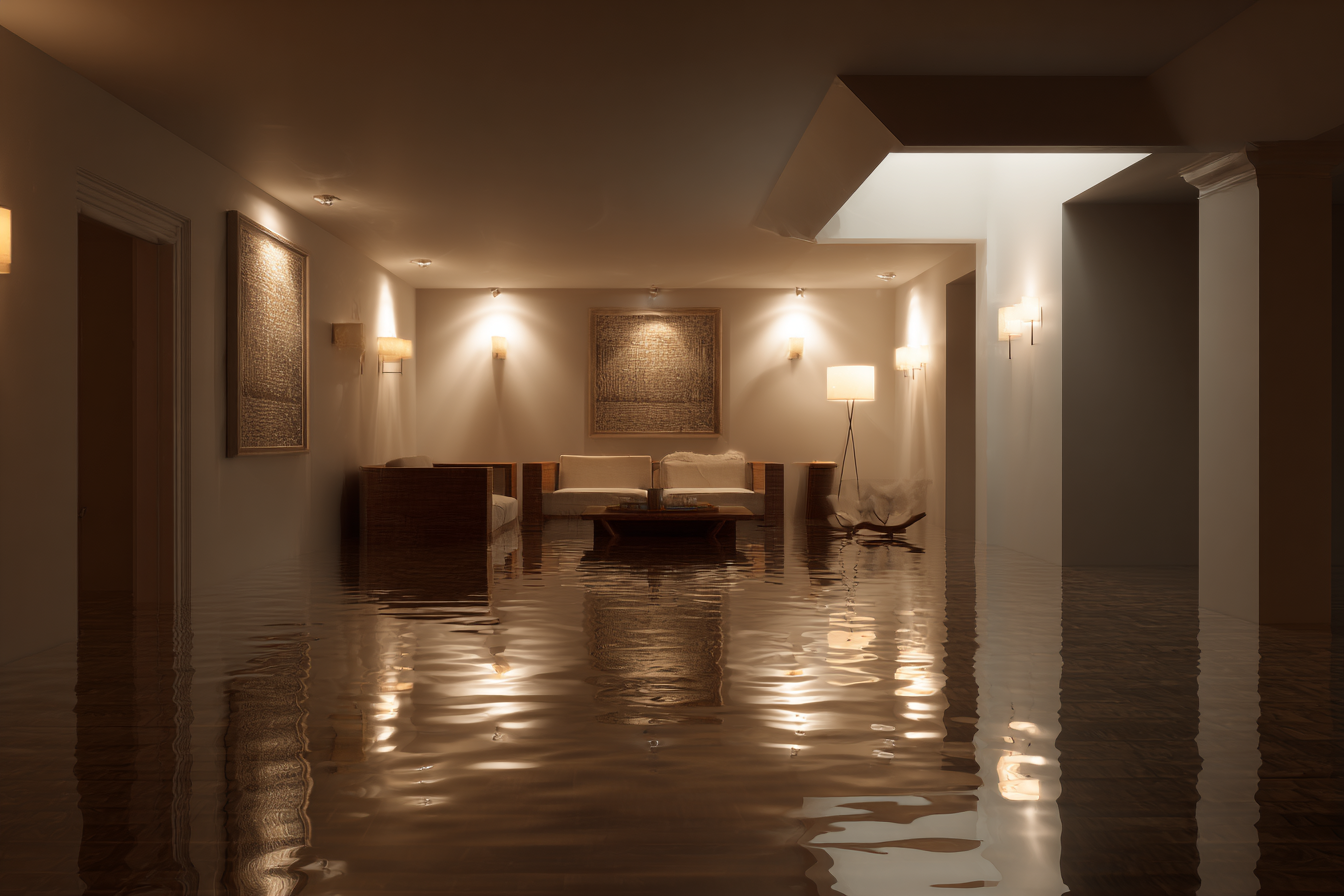
Why Basement Water Damage Gets Worse Over Time
Water is patient. It doesn’t rush—it spreads.
Moisture seeps into porous materials like drywall, insulation, and wood. Even if the surface looks dry, hidden moisture can linger and cause long-term damage.
Mould spreads quietly, often behind walls or under flooring.
What could have been a simple fix turns into a full-scale restoration project.
The longer you wait, the more expensive it becomes.
Step-By-Step Prevention Tips That Actually Work
Improve Exterior Drainage
Ensure gutters are clean and downspouts extend at least 6 feet away from your home.
Install A Backup Sump Pump
A battery backup system ensures your sump pump works even during power outages.
Seal Foundation Cracks
Address cracks early before they expand and allow more water in.
Install A Backwater Valve
This prevents sewage from flowing back into your home during heavy rainfall.
Schedule Regular Plumbing Inspections
Catch small leaks before they turn into major problems.
Upgrade Waterproofing Systems
Interior and exterior waterproofing solutions add extra protection.
Maintain Proper Grading
Your yard should slope away from your home, not toward it.
Use Dehumidifiers
Keep basement humidity levels low to prevent moisture buildup.
Install Window Well Covers
Block rainwater from entering through basement windows.
Check Appliances Regularly
Inspect hoses, connections, and seals for early signs of wear.
DIY vs Professional Basement Waterproofing
DIY solutions can help with minor issues like sealing small cracks or improving drainage.
But larger problems—like foundation leaks, sewage backups, or major flooding—require professional expertise and equipment.
Professionals have industrial-grade tools that remove water and moisture completely, reducing the risk of mould and long-term damage.
Cutting corners here can cost far more later.
Emergency Water Damage Cleanup Process
Inspection & Assessment
Professionals identify the source and extent of damage.
Water Extraction
High-powered pumps remove standing water quickly.
Drying & Dehumidification
Air movers and dehumidifiers eliminate hidden moisture.
Sanitization & Mould Prevention
Antimicrobial treatments stop mould before it starts.
Restoration & Repairs
Damaged materials are repaired or replaced.
Cost Of Ignoring Basement Water Damage
Ignoring water damage doesn’t save money—it multiplies costs.
- Minor repairs can turn into full renovations
- Mould remediation alone can cost thousands
- Structural repairs are significantly more expensive
- Property value decreases
What starts as a small issue can quickly spiral into a financial burden.
FAQs
What is the most common cause of basement water damage?
Sump pump failure and poor drainage are leading causes.
How fast does mould grow after water damage?
Mould can begin forming within 24–48 hours.
Can small leaks cause serious damage?
Yes, over time they lead to structural issues and mould.
Is water in the basement always serious?
Even small amounts can signal larger underlying problems.
How do I prevent water from entering my basement?
Improve drainage, seal cracks, and maintain plumbing systems.
Will insurance cover water damage?
It depends on your policy and coverage type.
How long does it take to dry a basement?
Typically 3–7 days depending on severity.
Can I handle water damage myself?
Only minor cases—major flooding requires professionals.
What are signs of hidden water damage?
Musty smells, warped materials, and stains.
Do materials need to be replaced after flooding?
Often yes, especially porous materials like drywall.
Conclusion
Basement water damage doesn’t happen overnight, but it can escalate quickly once it starts.
The key is awareness, prevention, and fast action. By understanding the most common causes and taking proactive steps, you can protect your home, your health, and your finances.
A dry basement isn’t luck, it’s strategy.
If you have any questions about our article "10 Most Common Water Damage Emergencies In Basements" or need water damage restoration services near Niagara Falls and St Catharines, contact us at 289-271-0090 or connect with us on social media.
Latest Posts



Contact Us
For Advice
Need help? Talk to an expert
289-271-0090